Flatness & Parallelism
Grinding is often used on sealing faces, wear surfaces, and mating components where flatness and parallelism are critical to assembly performance.
Services
SCPM provides precision surface and cylindrical grinding for sealing faces, bushings, wear rings, and shaft journals on rotating equipment components — flatness to 0.002 mm, surface finish to Ra 0.4 µm, hardened materials up to 65 HRC.
Built To
 Aligned9001:2015Aligned14001:2015Aligned45001:2018
Capability Snapshot
Surface finish (Ra)
0.4 µm
Flatness
0.002 mm
Roundness (TIR)
0.002 mm
Max surface envelope
630 × 1,000 mm
Max cylindrical envelope
Ø320 × 1,500 mm
Hardness capability
Up to 65 HRC
Materials we worked
Equipment & Capacity
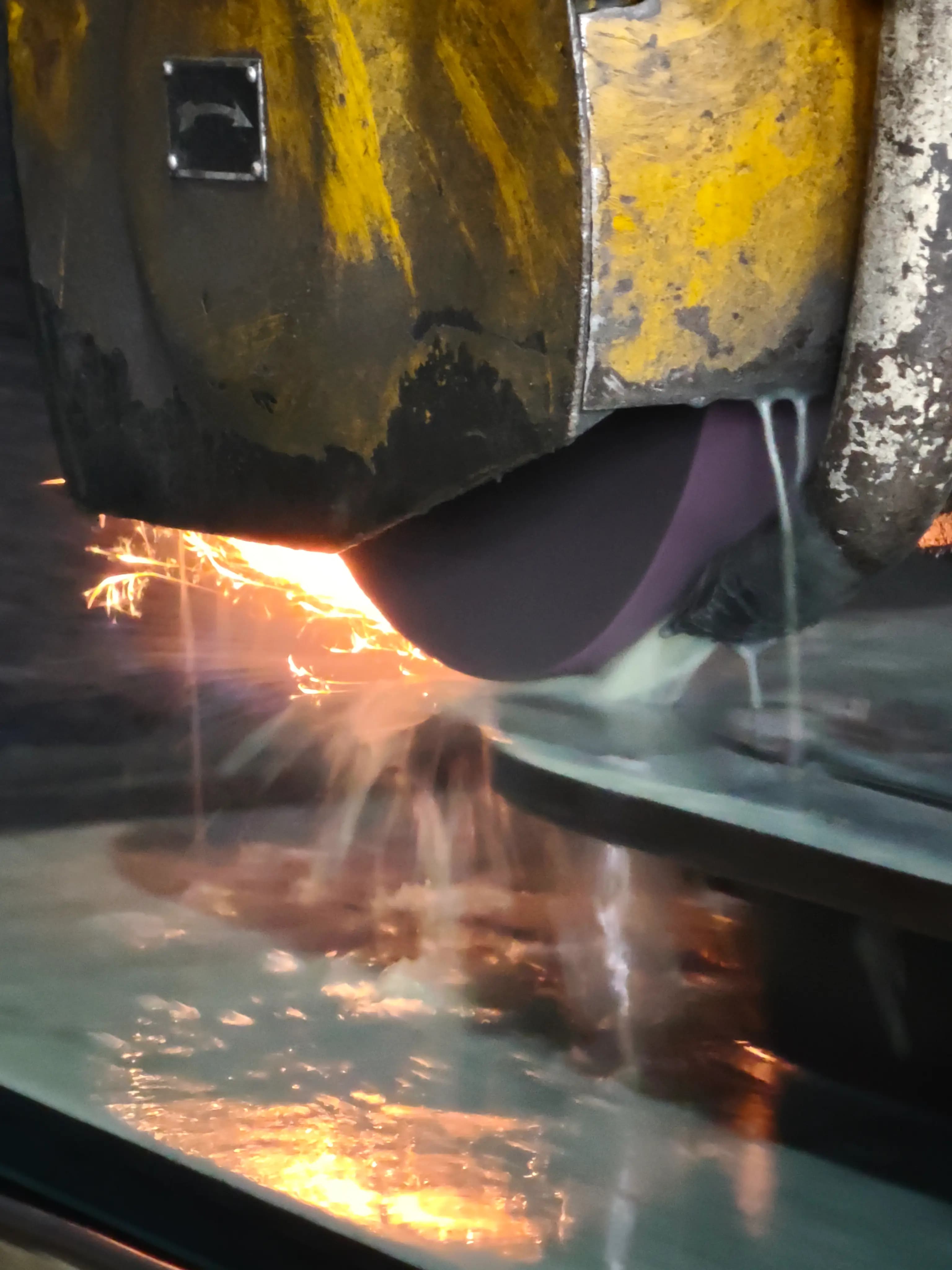
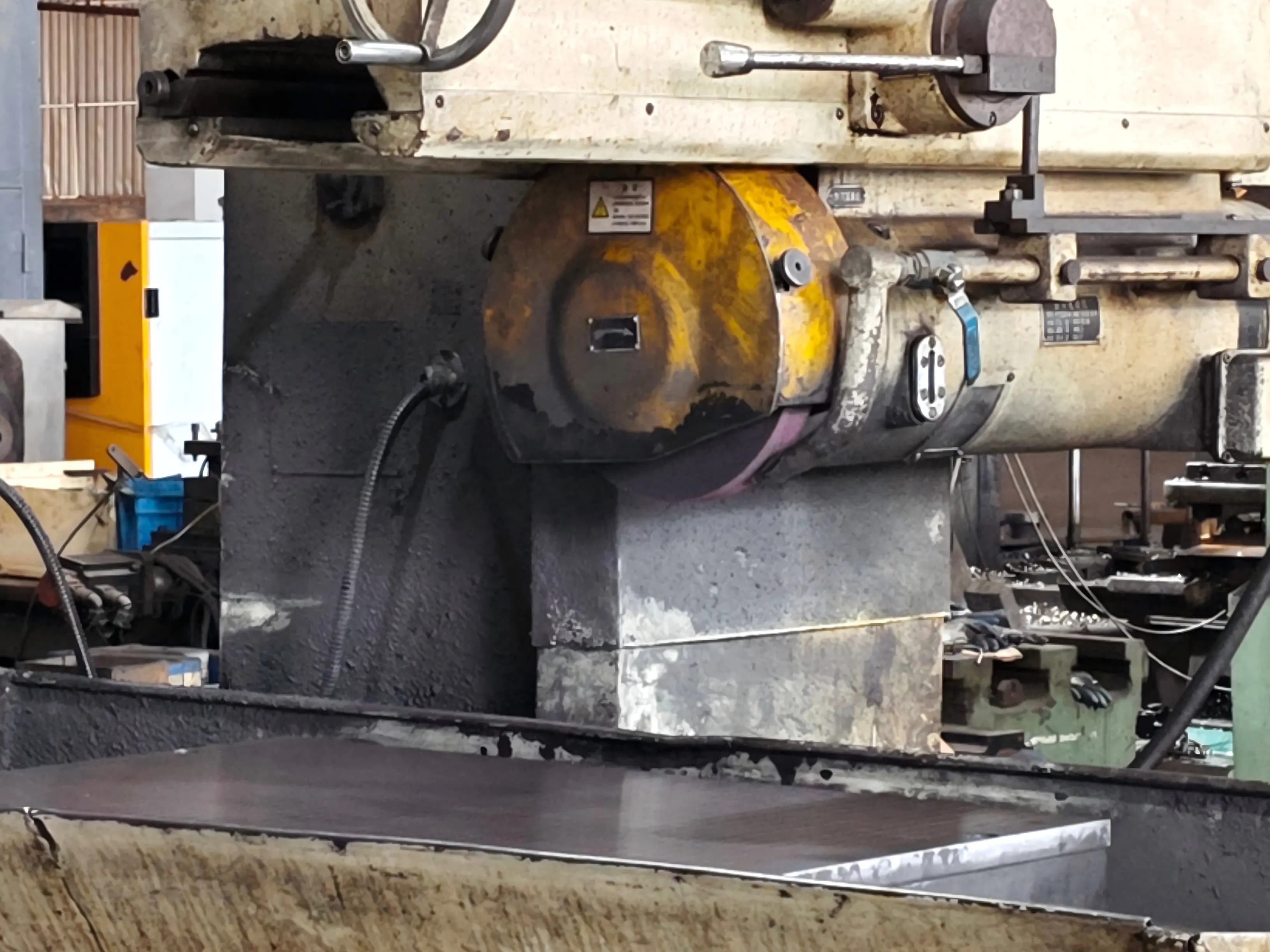
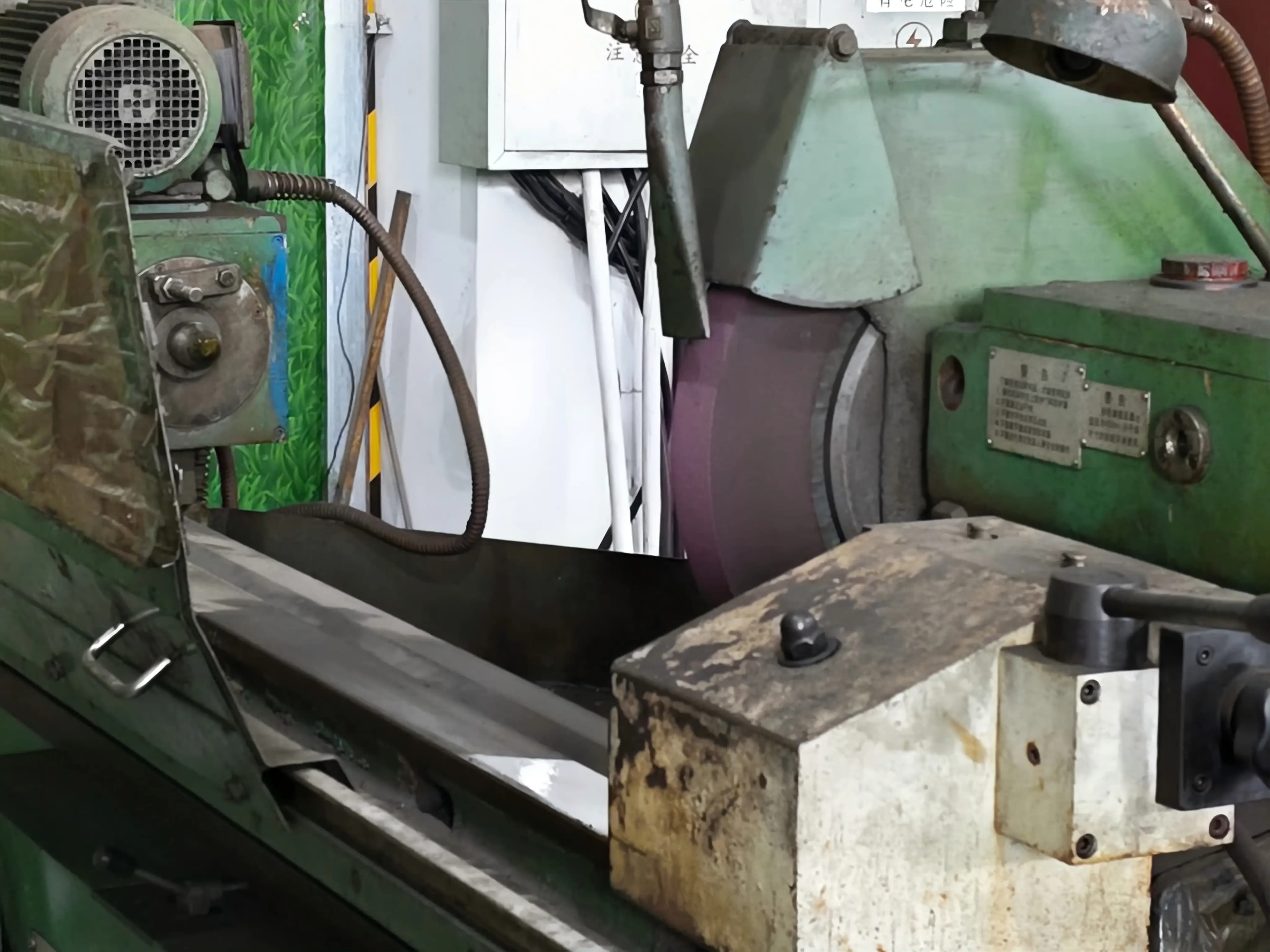
Our grinding department includes surface grinders, cylindrical grinders, and supporting inspection equipment for high-precision OEM components. Machines are maintained and verified on a regular schedule to support tight-tolerance work on hardened steels, tool steels, and wear-resistant materials.
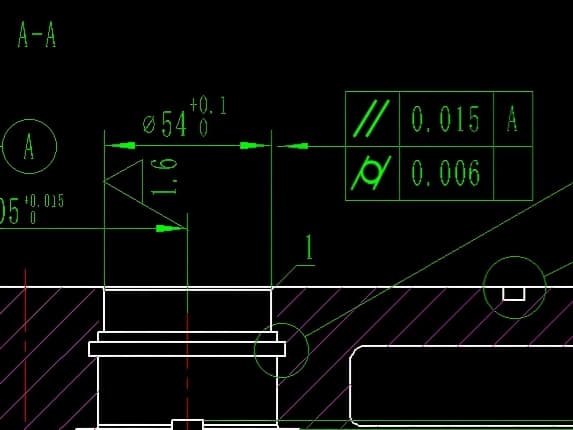
Drawing-Driven Precision Grinding
Precision grinding is typically specified when turning or milling alone cannot reliably achieve the required flatness, dimensional accuracy, or surface finish. We review each drawing to determine where grinding adds measurable value to the finished component.
Grinding is often used on sealing faces, wear surfaces, and mating components where flatness and parallelism are critical to assembly performance.
For features requiring tighter dimensional control than conventional machining can consistently achieve, grinding provides an additional level of accuracy and repeatability.
Grinding improves surface quality on hardened steels, tool steels, and precision wear components where roughness directly affects performance or service life.
Quality & Inspection
Inspection records, material certificates, and measurement data are maintained throughout production and can be provided according to customer requirements.
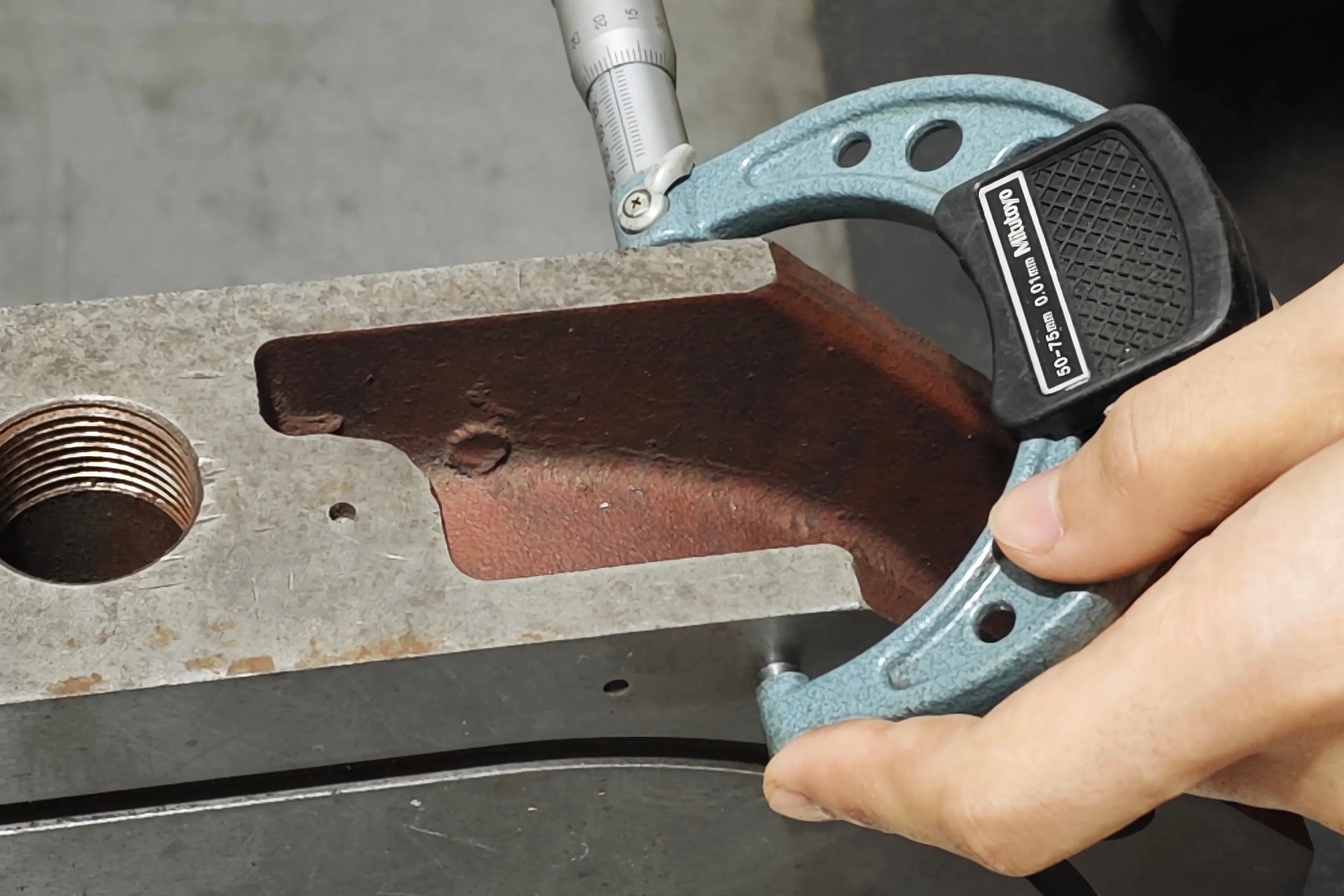
Flatness is measured on calibrated granite surface plates using appropriate indicators and documented according to inspection requirements.
Cylindrical components can be inspected for roundness, runout, and related form characteristics. Additional reports are available when specified.
Ra, Rz, and other specified roughness parameters are measured at the locations defined on the drawing.
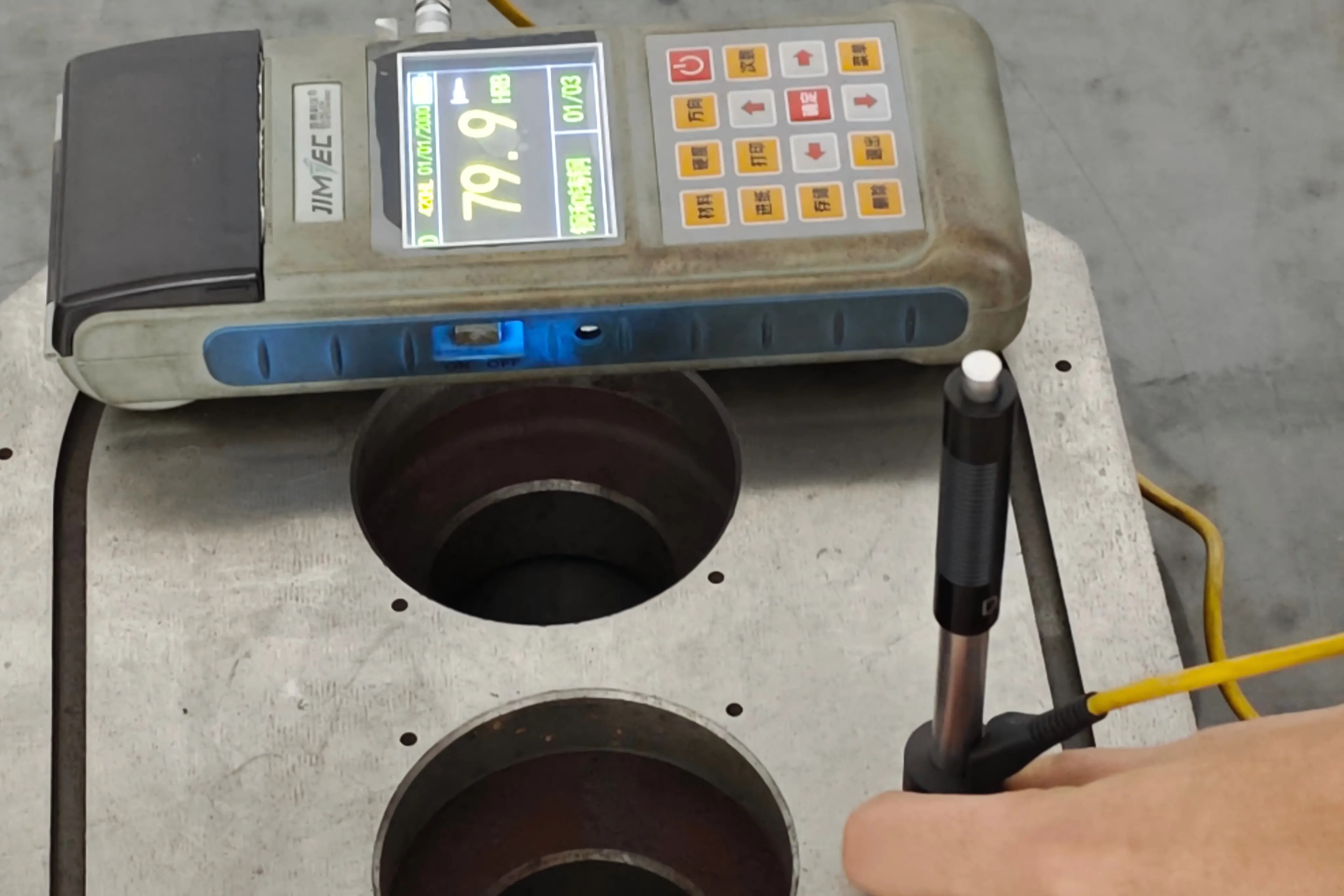
Heat-treated components are checked against specified hardness requirements before final grinding and inspection.
Our Process
Drawing requirements, material condition, hardness, and grinding allowance are reviewed before production begins.
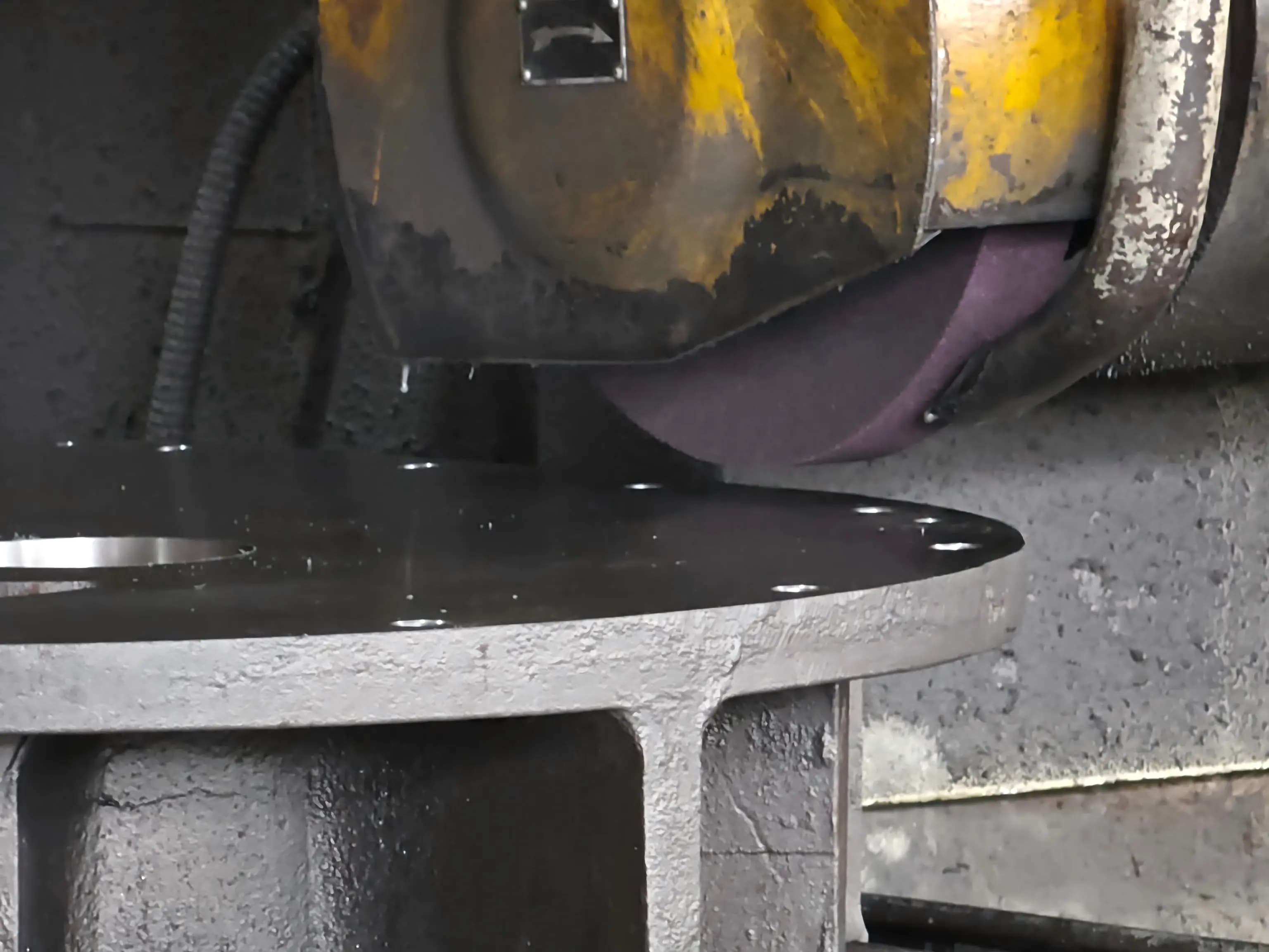
The grinding wheel, workholding method, and machine setup are selected according to the material and surface finish requirements.
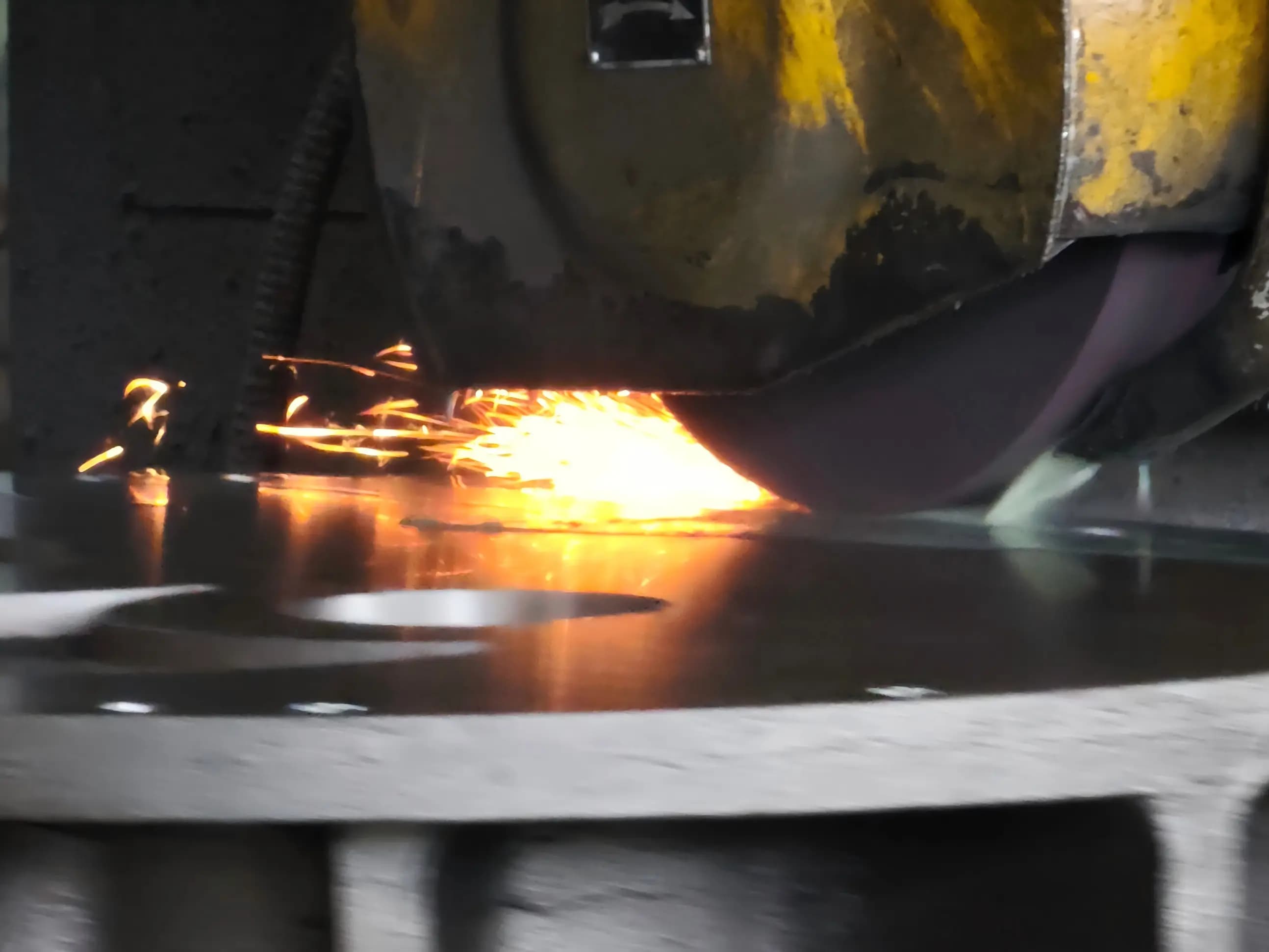
Material is removed to establish the required geometry while maintaining process control throughout the operation.
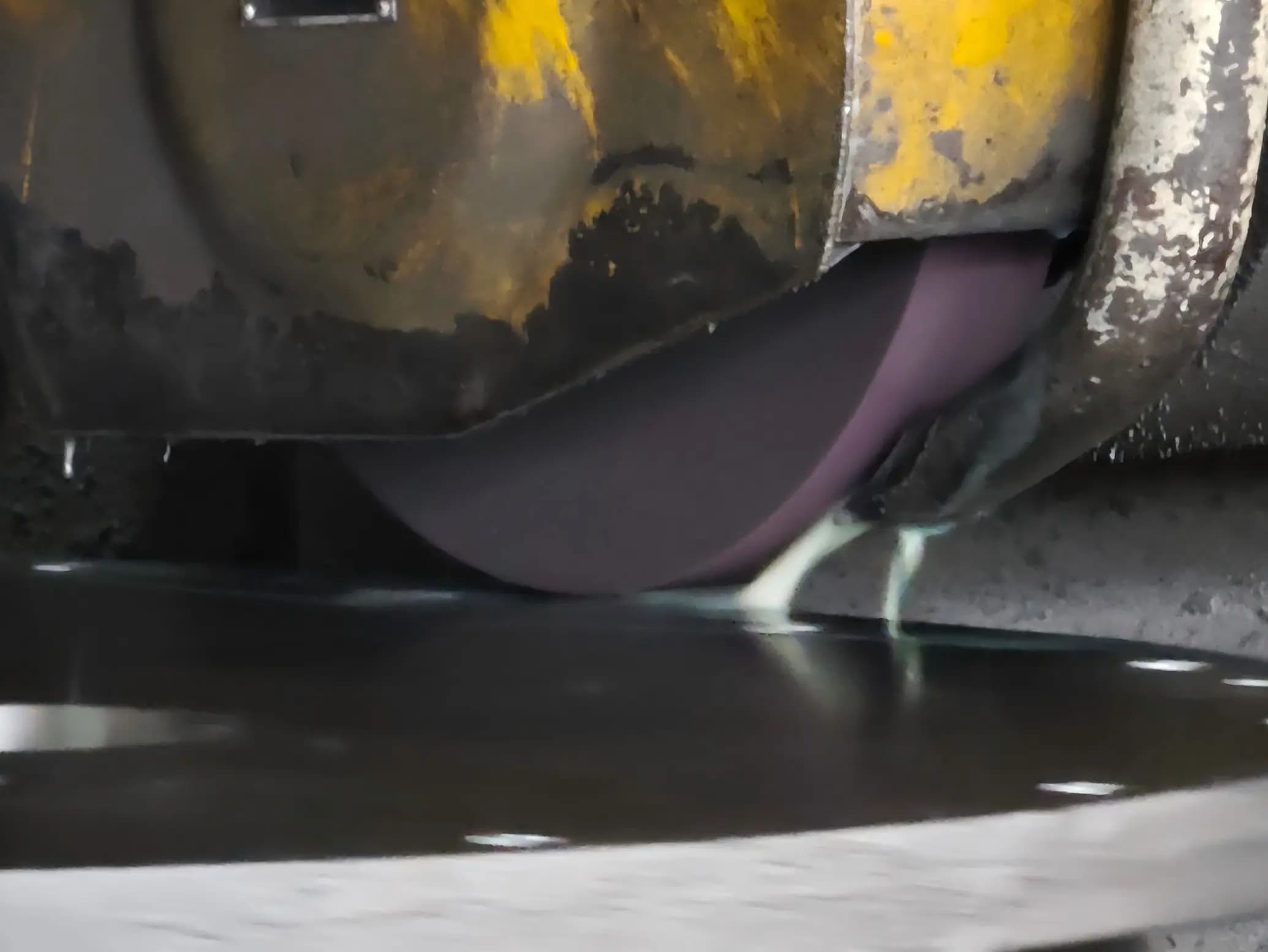
Final grinding passes are completed to achieve the specified dimensions, flatness, roundness, and surface finish.
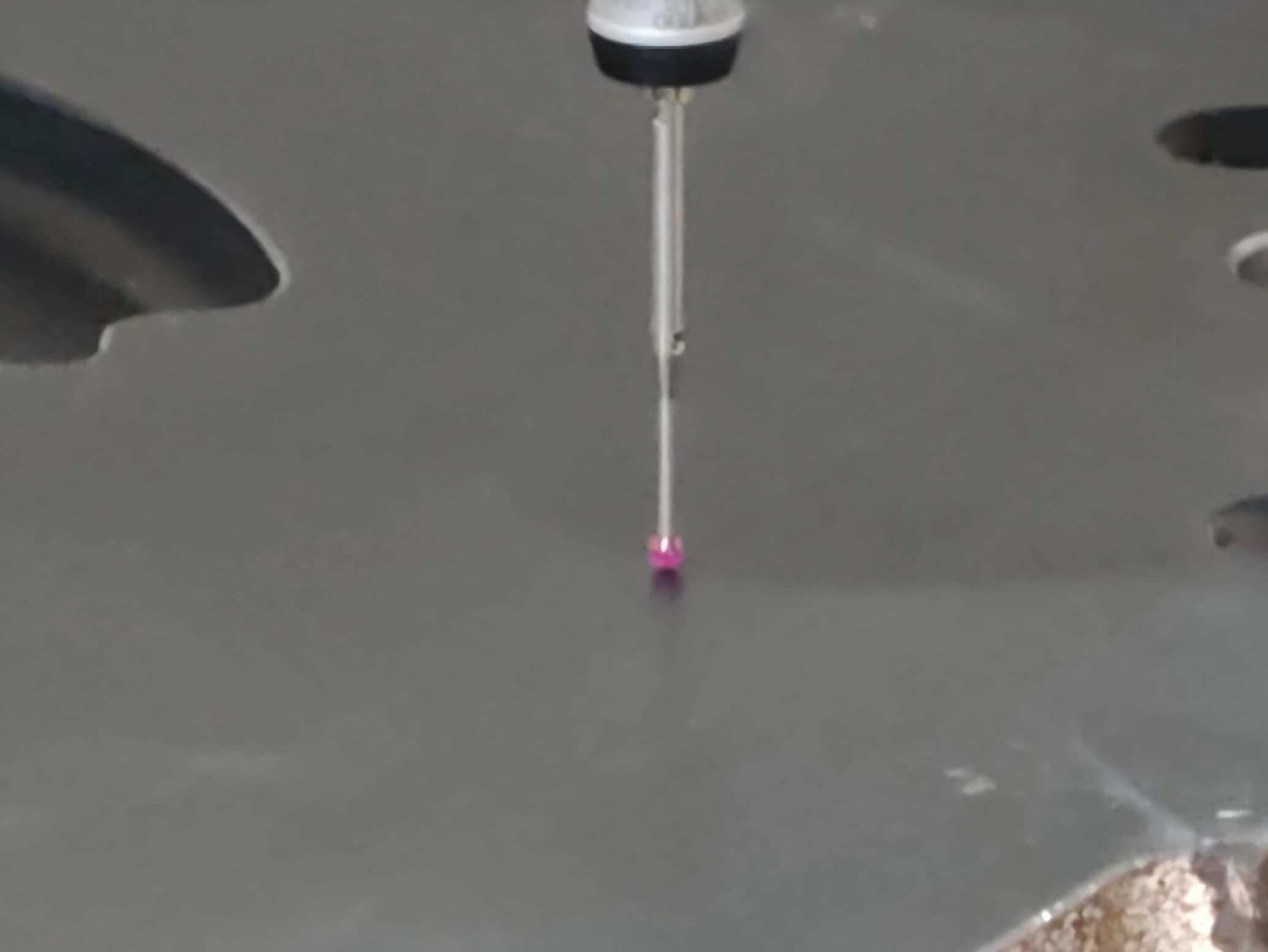
Critical characteristics are verified against drawing requirements before packaging and shipment.
Related Reading
Long-form pieces our team has written from real shop-floor work, with the trade-offs and decisions behind them.
Finishing Add-On
Anodize, passivation, plating, powder coating, bead blast, polish, and water-based spray paint coordinated through SCPM as a packaged add-on to your precision grinding order — one drawing, one PO, no separate finishing supplier to manage.
Common Questions
Typically Ra 0.4 µm or better. For mirror finishes we can achieve Ra 0.1 µm with superfinishing wheels.
0.002 mm flatness on the zones the drawing calls out — sealing faces, mating surfaces, datum references. Across the full part the number depends on geometry, so we hold tighter values only where the drawing specifies.
Yes — we grind hardened steels and tool steels up to 65 HRC. Grinding is typically applied after heat treatment to restore the dimensions lost during the hardening process, with Ra 0.4 µm achievable on the finished surface.
Yes. Most grinding work is performed as a finishing step after turning or milling within the same production order.
Send us your drawings and we'll review them — no commitment required.